
THOUGHT LEADERSHIP FEATURE
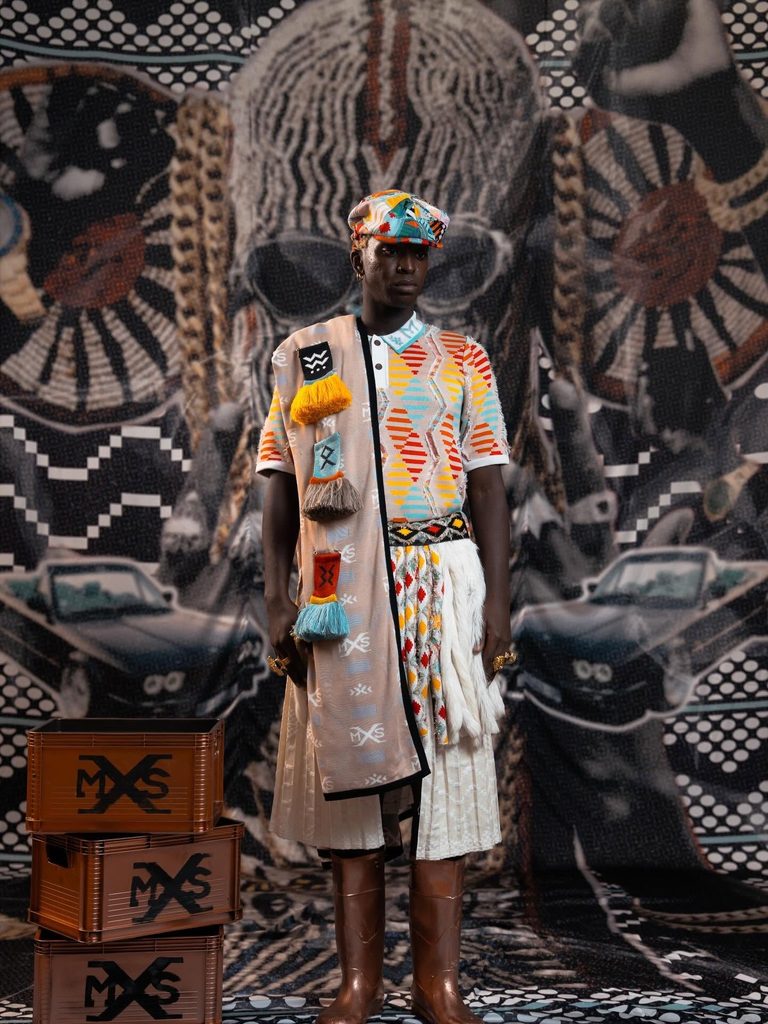
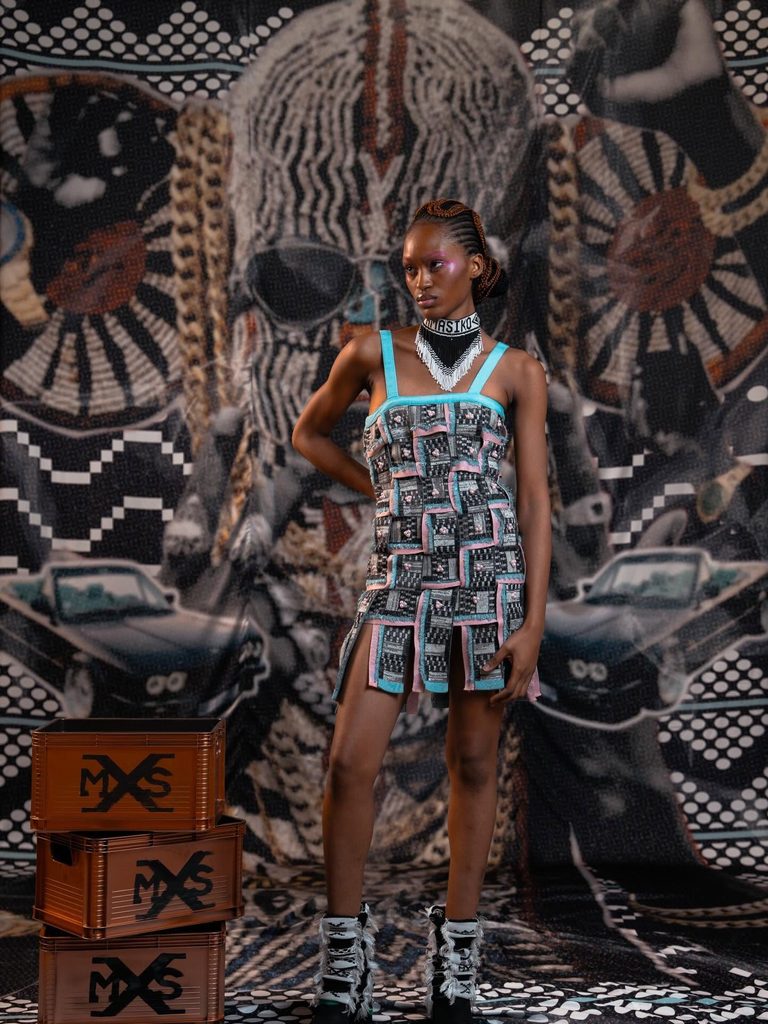
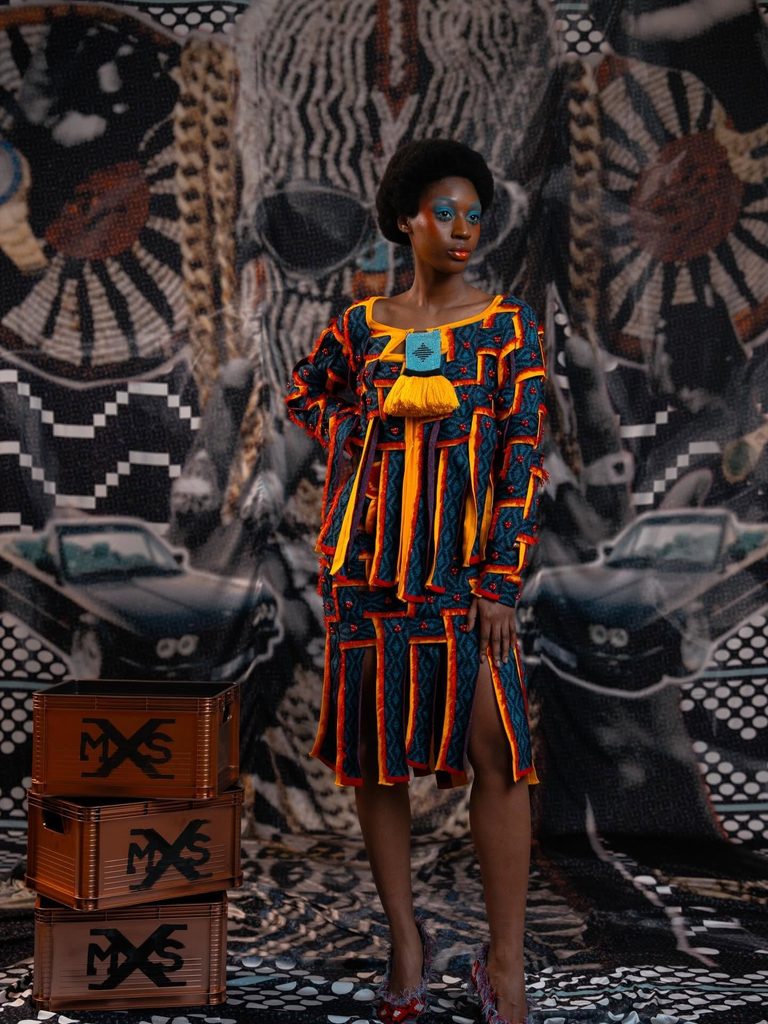
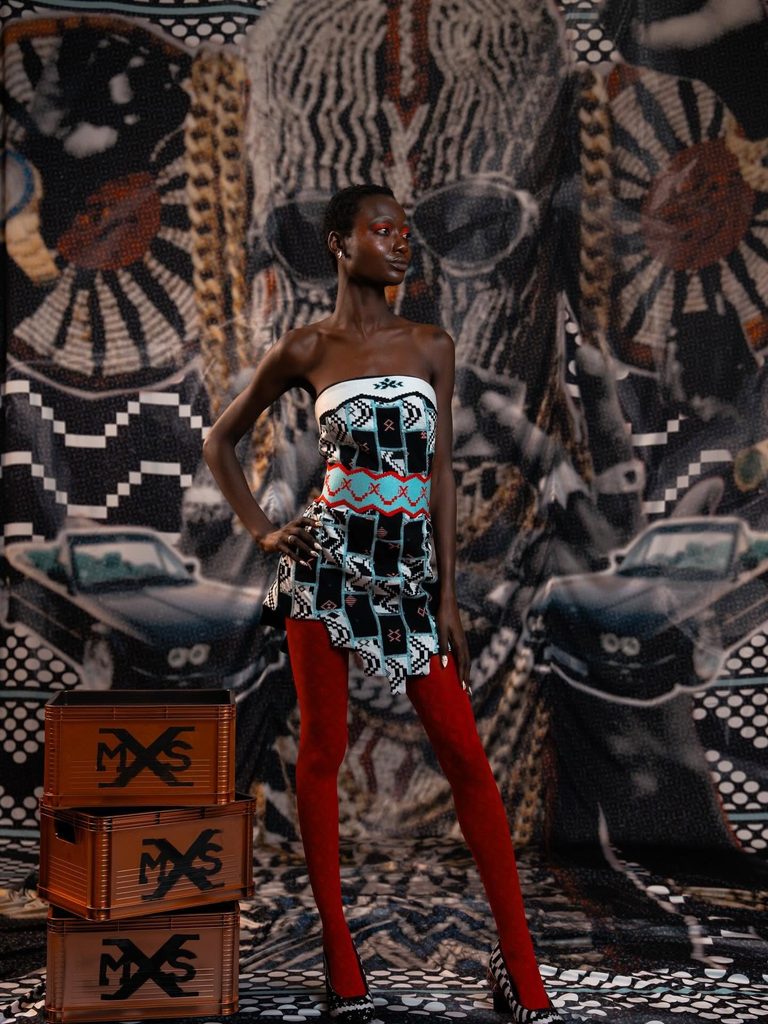
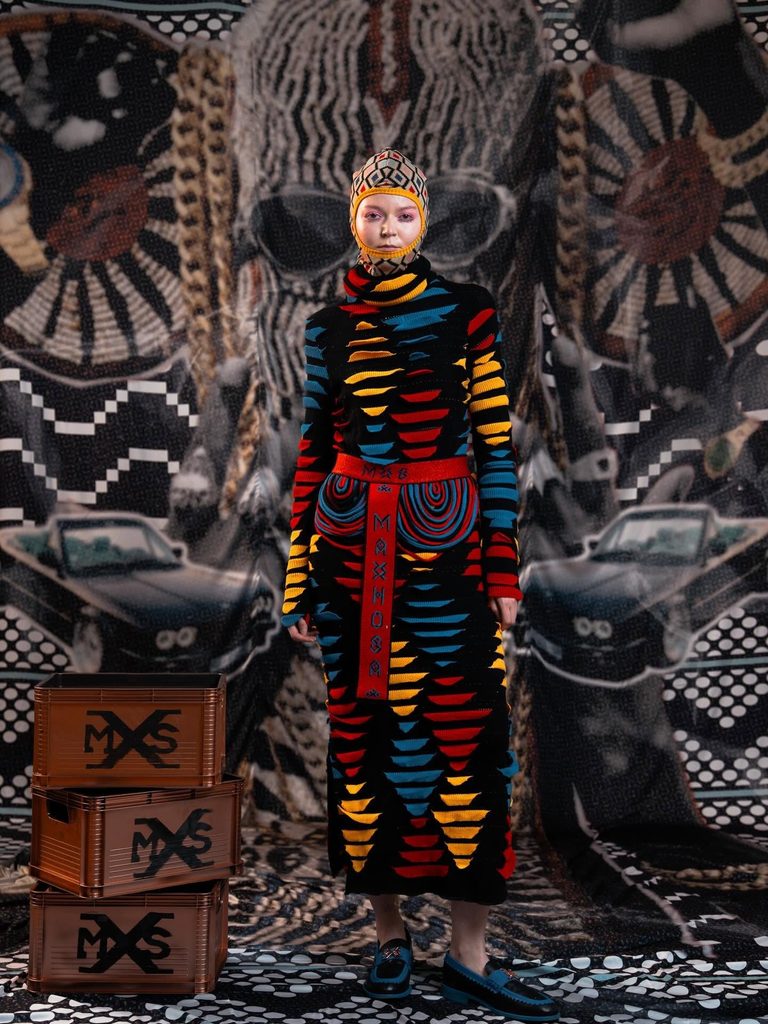
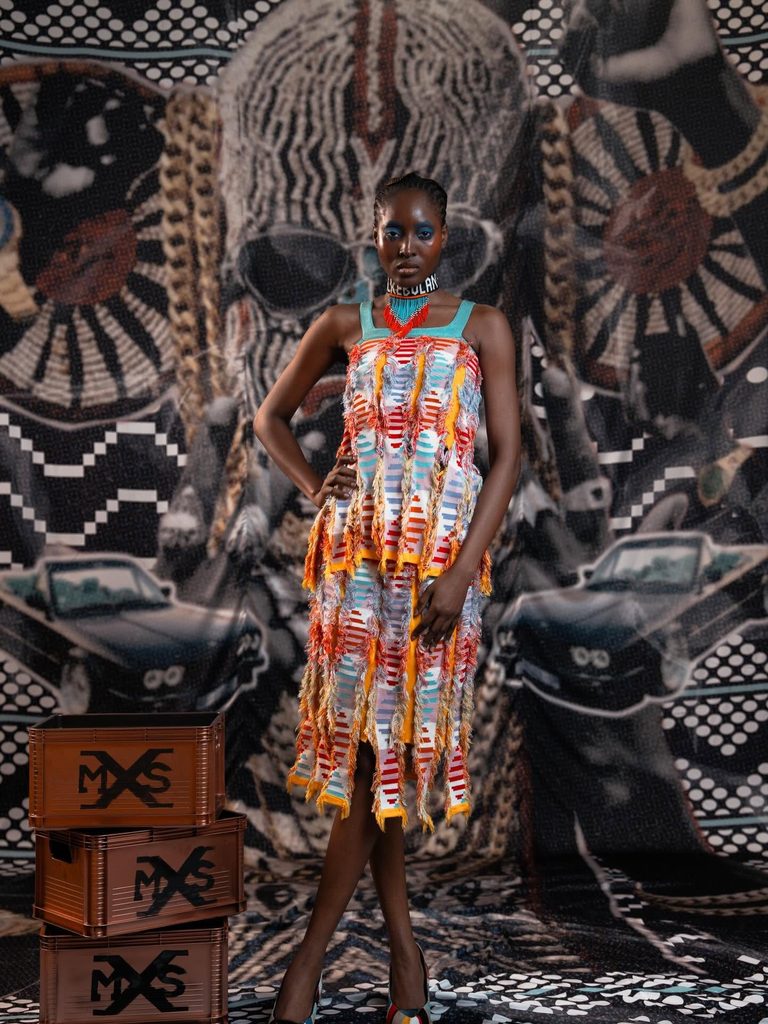
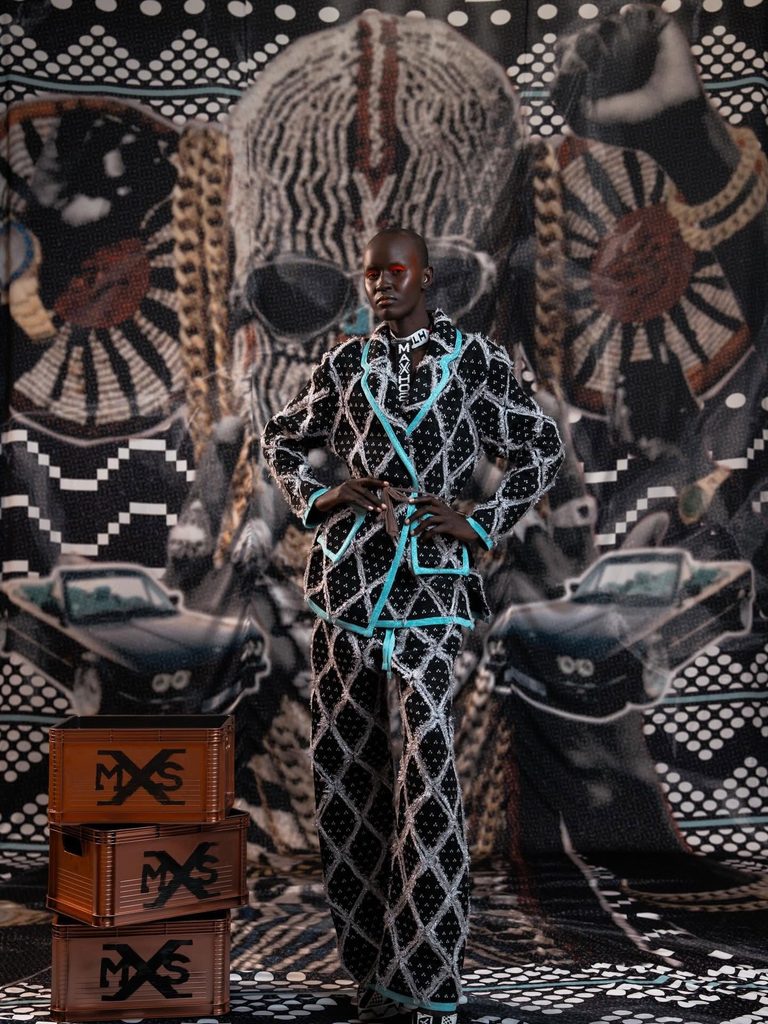
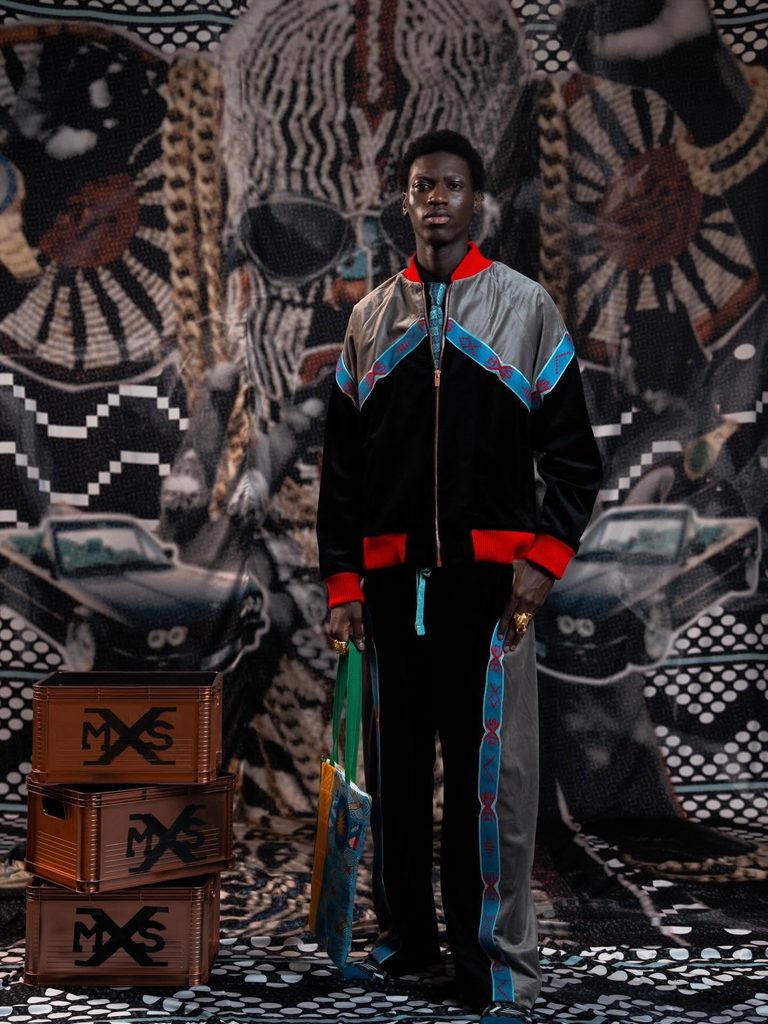
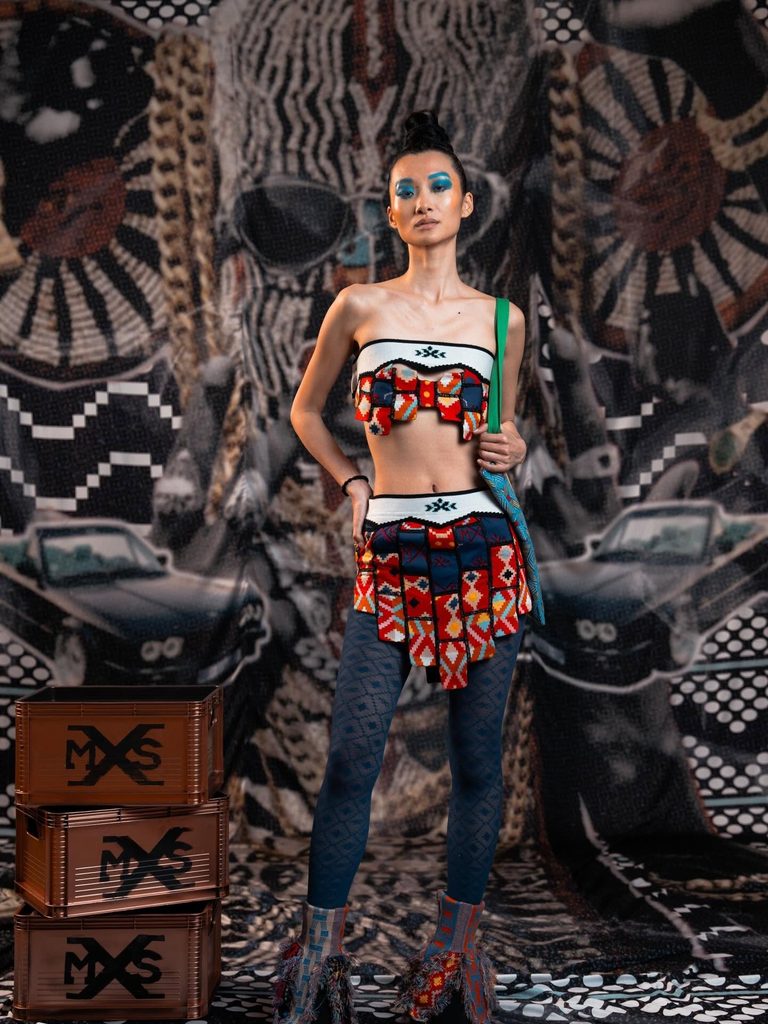
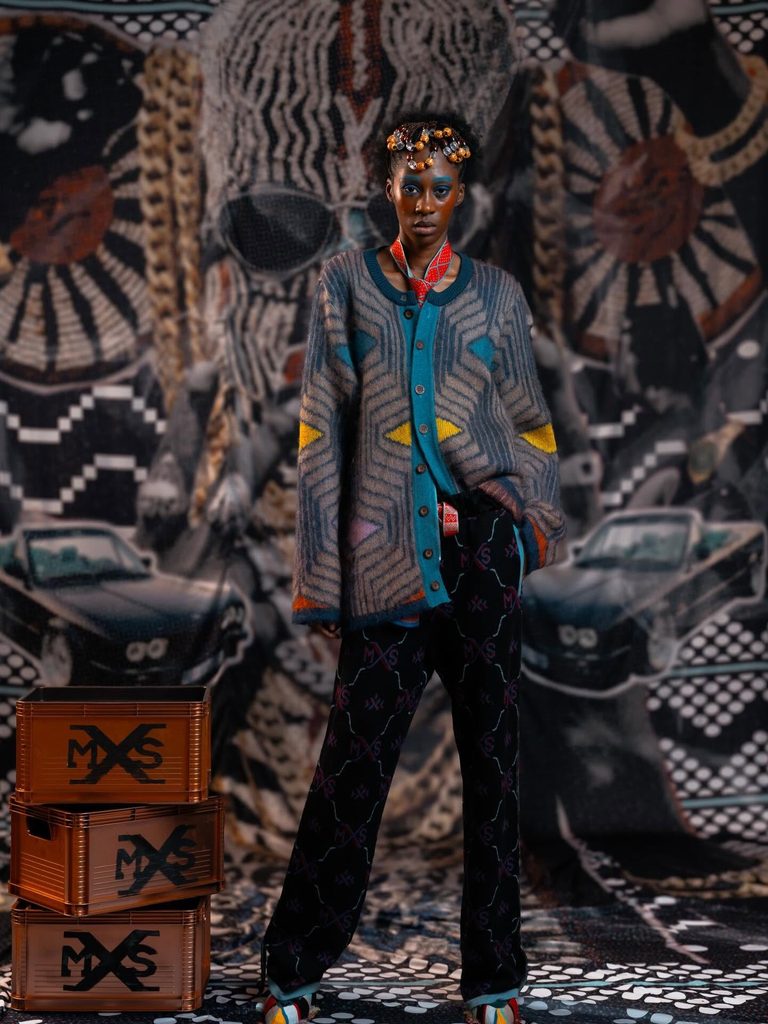
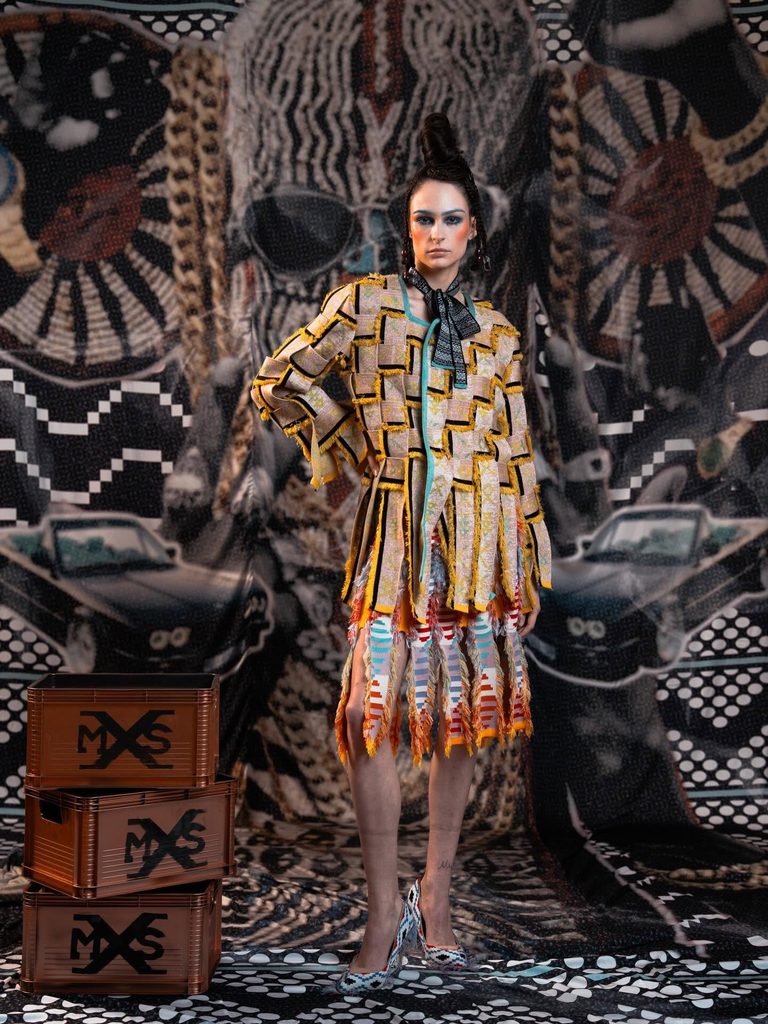
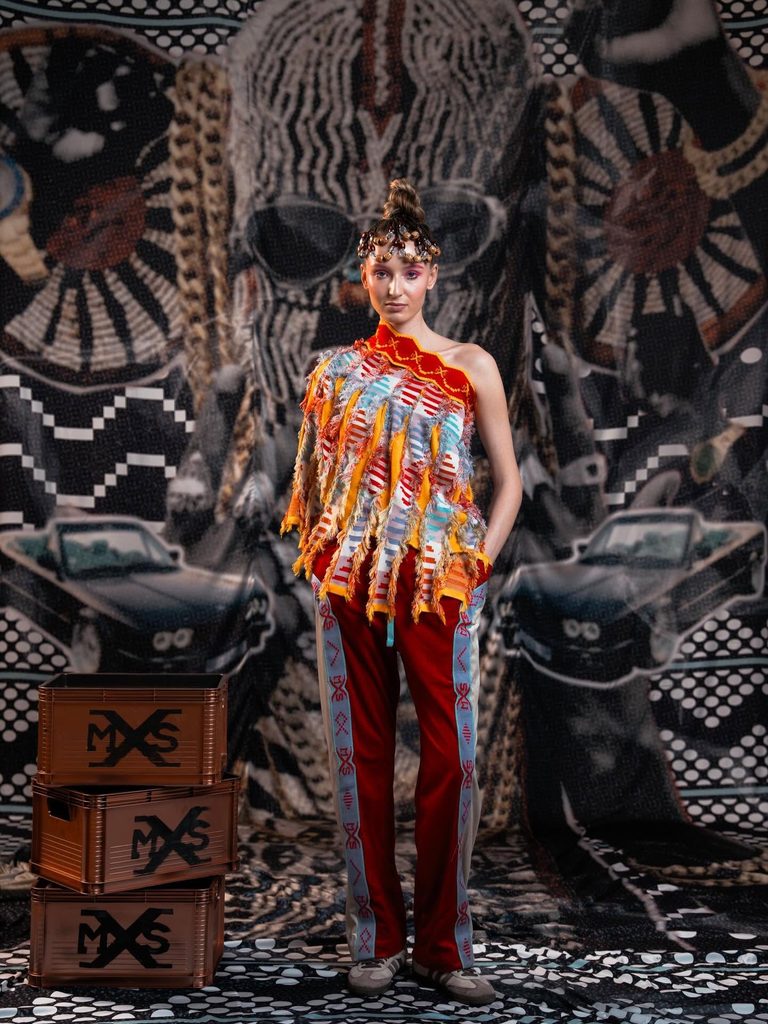
From East London to Paris, MaXhosa Africa’s journey is a source of immense pride for the Eastern Cape and South Africa.Watching the brand take its place on the official Paris Fashion Week runway with its 2026 collection, Izihlwele Zivumile, was not only exhilarating. It was a global affirmation of South African creativity, African heritage and Laduma Ngxokolo’s extraordinary vision.
Meaning “the ancestors have approved,” the collection’s name speak to the deep connection between Maxhosa Africa’s contemporary design and the heritage from which it draws inspiration. For me, the pride was also deeply personal: pride as a Xhosa woman from the Eastern Cape and pride in knowing that the factory behind this celebrated brand is located in the East London Industrial Development Zone (ELIDZ).

By Ayanda Ramncwana
Chief Operations Officer, East London Industrial Development Zone (ELIDZ)
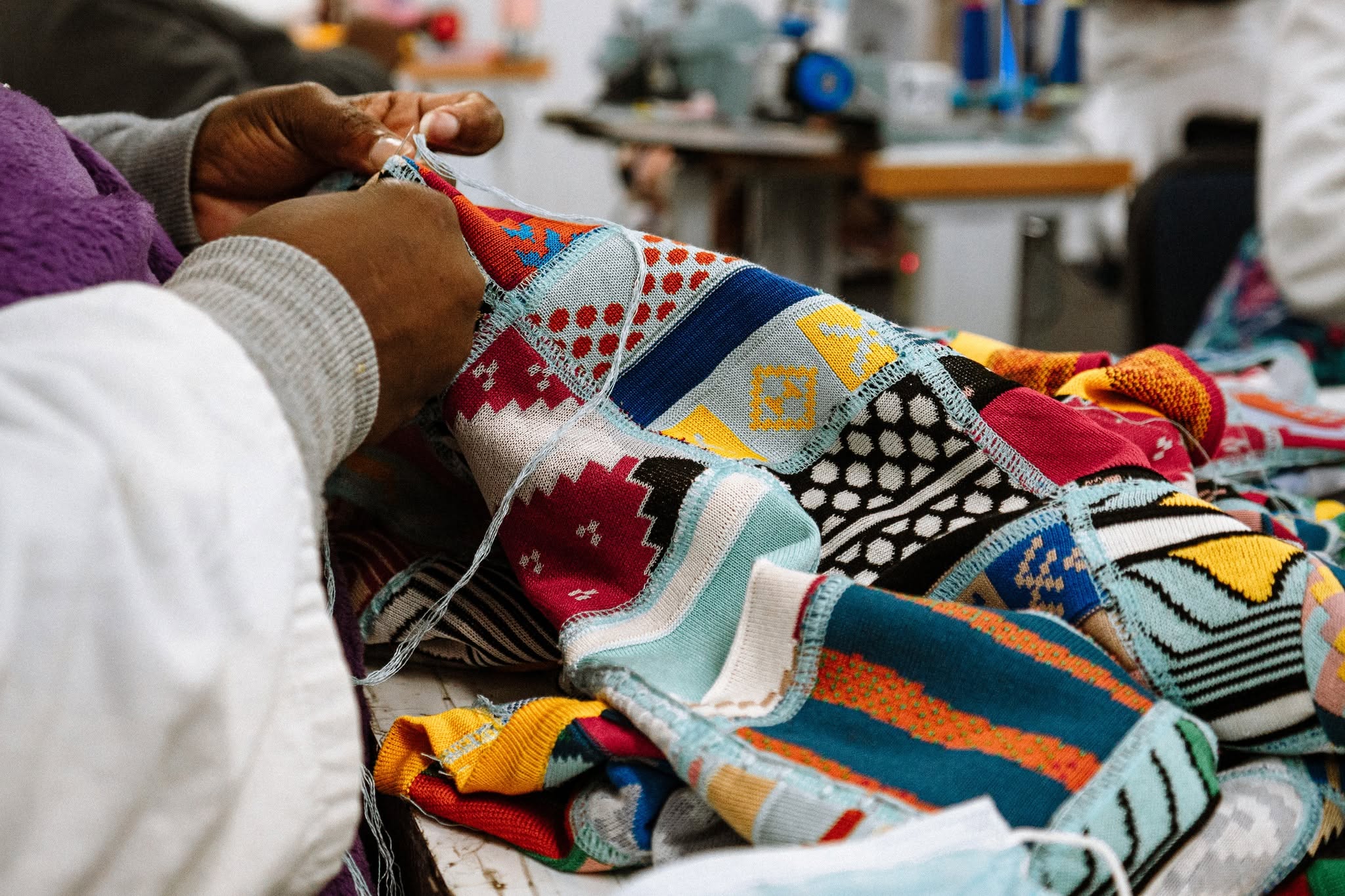
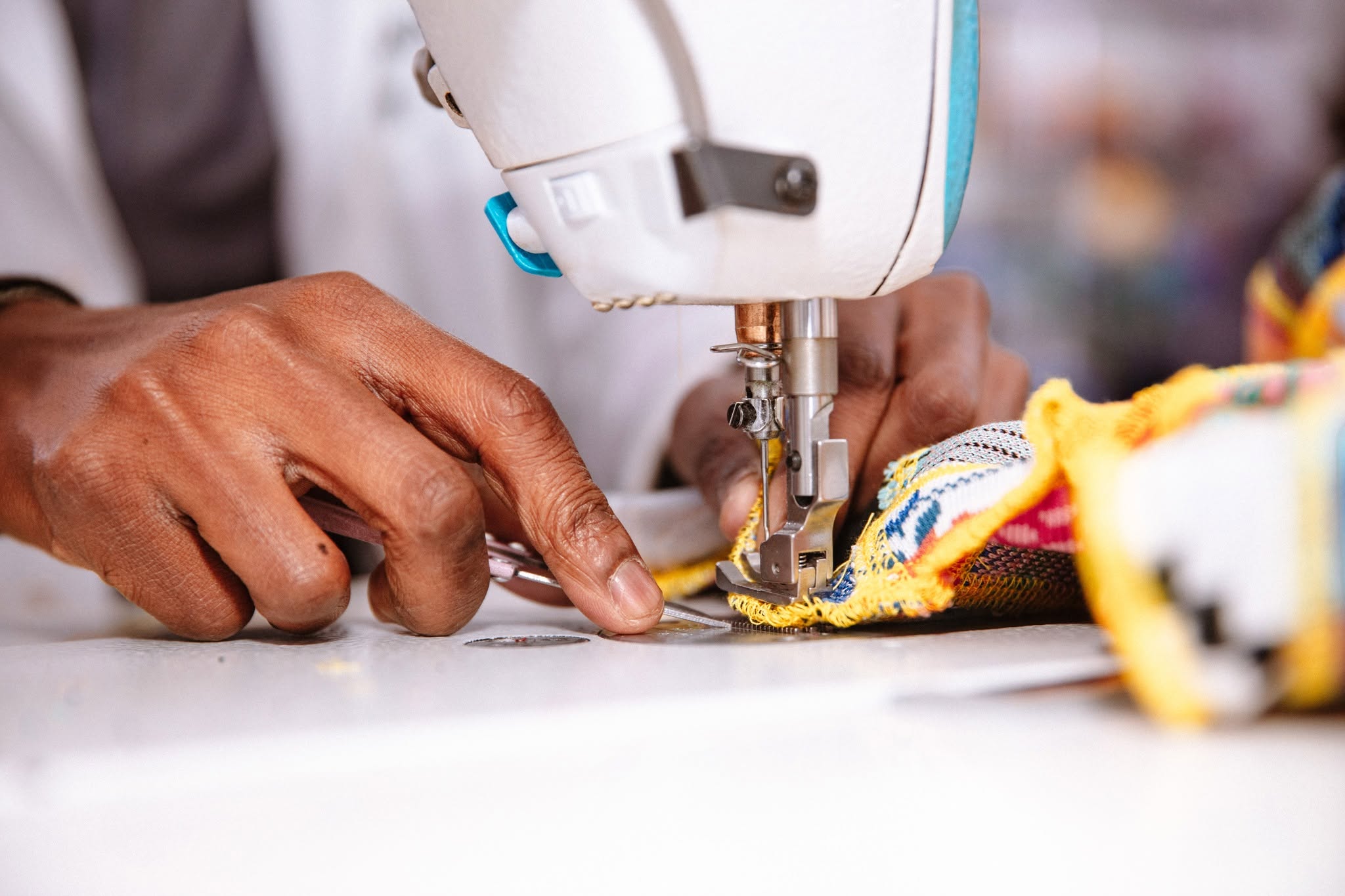
That pride began well before Paris. When Laduma opened his East London store in November 2025, he announced that he would establish a factory in the ELIDZ, moving beyond retail to build a productive base in the province that shaped his identity and creative vision. He has fulfilled that commitment with precision: through clear purpose, disciplined investment and a sustained focus on manufacturing capability.
For the ELIDZ, the applause in Paris therefore carried the weight of a promise made at home and honoured through execution. Behind the runway were machines operating in East London, skills being built, livelihoods being sustained and a local enterprise growing. From manufacturing in East London to showcasing in Paris, the show was the visible result of years of hard work, consistency and belief in the place of African creativity on world stage. It also demonstrated what becomes possible when local talent is given the opportunity to grow, manufacture and compete global. It showed, in a way that audiences could immediately recognise, how local craftsmanship, culture and innovation can connect with the world without losing its roots.
Vision, Discipline and Industrial Ambition
Laduma’s journey shows what it takes to turn vision into industrial reality. He built a distinctive design language rooted in African heritage, then made the decisive leap from creative success to manufacturing investment. By choosing the ELIDZ, committing capital and establishing production capacity, he proved that enduring brands require both imagination and disciplined execution.
This is the entrepreneurship South Africa must nurture: globally ambitious, commercially astute and rooted in the productive potential of our people. MaXhosa is not only creating beautiful garments and carrying African identity to global audiences; it is owning assets, building capability, developing skills and creating jobs. It shows how culture, craftmanship and innovation can become productive industrial capacity. It is where the runway meets the real economy.
Textiles and Fashion as a Force for Economic Development
The Eastern Cape knows both the value of clothing and textile manufacturing and the cost of its decline. The sector once sustained livelihoods, built specialised skills and connected thousands of people to the economy. When factories closed under the pressure of imports and changing markets, the consequences endured in households and communities.
Against that history, MaXhosa is more than a fashion success; it is an industrial proposition capable of broadening and localising an entire value chain, connecting rural wool producers and processors to textile manufacturers, designers and skilled garment workers.
Each stronger link can create another opportunity: a market for a farmer, an order for a supplier, an apprenticeship for a young person and an income for a household. The true measure of this achievement is not visibility alone, but the lasting economic value created and retained in the province. The opportunity before us is to convert the pride generated by moments such as Paris Fashion Week into sustained demand, stronger local supply chains and more enterprises capable of reaching global markets.
ELIDZ Vision 2030: Building Local Industrialists for Global Markets
Realising and retaining that economic value is precisely what the ELIDZ Vision 2030 Strategy seeks to achieve. While foreign direct investment remains essential, our mandate goes further: we must deliberately build and empower local industrialists by enabling home-grown entrepreneurs to turn ideas into productive enterprises, strengthen their capabilities and compete in domestic and export markets. In this way, the ELIDZ becomes both an investment destination and a springboard from which South African enterprises can scale globally.
Supporting MaXhosa therefore means more than providing a conducive operating environment. It means helping a home-grown enterprise deepen its manufacturing capability, connect with local suppliers and compete internationally while creating the conditions for many more businesses to follow. Global recognition matters most when it opens a wider path for local talent to grow into productive, competitive and enduring enterprises.
Our ambition is clear: attract investment into the Eastern Cape while developing South African enterprises capable of investing beyond our borders. That is how an industrial zone becomes more than a place of production; it becomes an engine of enterprise development and economic transformation.
The Choices That Will Shape Our Industrial Future: Government’s Imperative: Enable Enterprise and Protect Original Work
As part of government, the ELIDZ helps translate economic policy into enterprise and employment. MaXhosa demonstrates why this work matters: local entrepreneurs, particularly in fashion and the creative industries, can convert South African culture, talent and intellectual capital into sustainable businesses, skilled jobs, stronger value chains and exports.
We must create the conditions for that potential to flourish by improving access to finance, modern machinery, production skills and markets; strengthening links between designers, manufacturers and suppliers; and adopting policies that help creative enterprises industrialise and scale.
Most urgently, we must lead stronger enforcement of intellectual property rights and coordinated action against counterfeiting. When original designs are copied without consequence, creators lose revenue, legitimate businesses lose markets, and the country loses jobs, investment and export potential. Protecting creative work is not only a legal or cultural duty; it is a strategic industrial intervention essential to transformation.
We must also advocate procurement practices that strengthen domestic production. Public institutions can use their purchasing power to expand opportunities for local craftspeople, designers and manufacturers. Our support is credible only when policy, programmes, procurement and institutional behaviour align behind one objective: building local enterprises that compete at home and abroad.
Citizens’ Choice: Buy Authentic, Protect Livelihoods
Citizens also face a choice. During Heritage Month, we celebrate African identity and design, yet imported imitations and counterfeits increasingly occupy the same space. When a copy becomes the reference point for our culture, the loss is borne by the beadworker, dressmaker, factory employee, supplier and rural producer whose livelihood depends on authentic local production.
Our foremothers were both creators and entrepreneurs. Through garments, beadwork and jewellery, they carried knowledge, expressed belonging and earned livelihoods. We owe that legacy more than admiration; we owe it markets, protection and the opportunity to endure.
Every citizen has a stake in local employment, domestic industry and South African creativity. A counterfeit may appear cheaper today, but its hidden cost may be tomorrow’s factory job, apprenticeship, supplier contract or farming opportunity. Our consumer choices either strengthen the productive economy we want or quietly weaken it.
From Global Applause to Lasting Transformation
We have a compelling opportunity to re-build our own textiles industry, anchored by domestic industrialists and designed from the outset to serve both local and global markets. The Eastern Cape has the raw-material potential, creative talent and emerging manufacturing capability to develop a stronger local value chain, from wool and other inputs through processing, design, production and distribution.
As government, we must lead the partnerships and interventions that turn this potential into a globally competitive industry. This requires supporting local producers, protecting original work, strengthening supplier linkages and enabling creative enterprises to industrialise, scale and reach larger markets. Our ambition must extend beyond celebrated brands to the dressmakers, beadworkers and creators whose skills can anchor sustainable enterprises and preserve knowledge across generations.
For me, this responsibility is both institutional and personal. As a Xhosa woman, I feel immense pride in MaXhosa’s achievement; as an executive within government working in industrial development, I must help convert that pride into lasting economic value. Paris has shown the world the power of Laduma’s vision. Our task now is to build the ecosystem in which his vision and many others like it, can endure, expand and transform our industrial base.
That is the lasting transformation we must pursue: rural producers connected to sustainable markets, skilled workers building careers, young people seeing a future in manufacturing, and local entrepreneurs becoming industrialists who compete at home and across the world.
The world is celebrating what Laduma Ngxokolo has created. Our choice, as government, is whether we simply applaud or lead with purpose and turning this moment into a globally competitive textiles industry and a legacy of production, transformation, dignity and opportunity. From the Eastern Cape to Paris, MaXhosa Africa has shown what is possible. Our responsibility is to ensure that this journey becomes a pathway that many more Eastern Cape creators, manufacturers and industrialists can follow.
For media enquiries:
Mr Siphosethu Tikana
Acting Manager: Marketing & Corporate Communications
Email: siphosethuti@elidz.co.za
Tel: 064 900 8392 / 076 800 5317
END